Our Secondary School Musical Production of Mary Poppins was practically perfect in every way

Our Secondary School Musical Production of Mary Poppins was practically perfect in every way
Our Secondary School Musical Production of Mary Poppins was practically perfect in every way

Audiences were treated to a supercalifragilisticexpialidocious performance! 

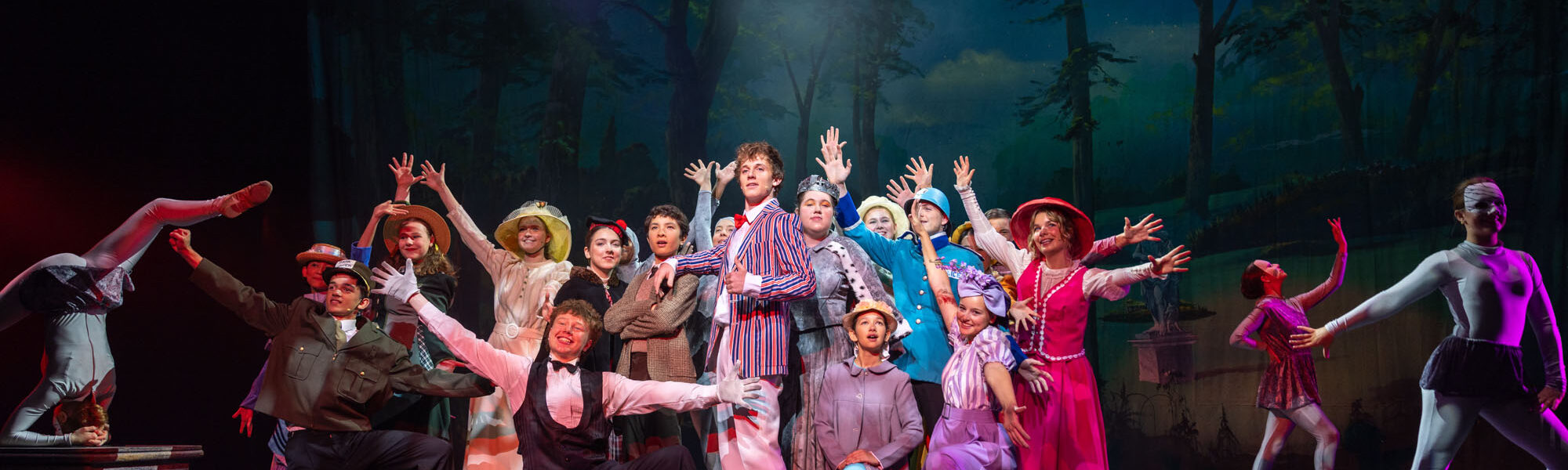
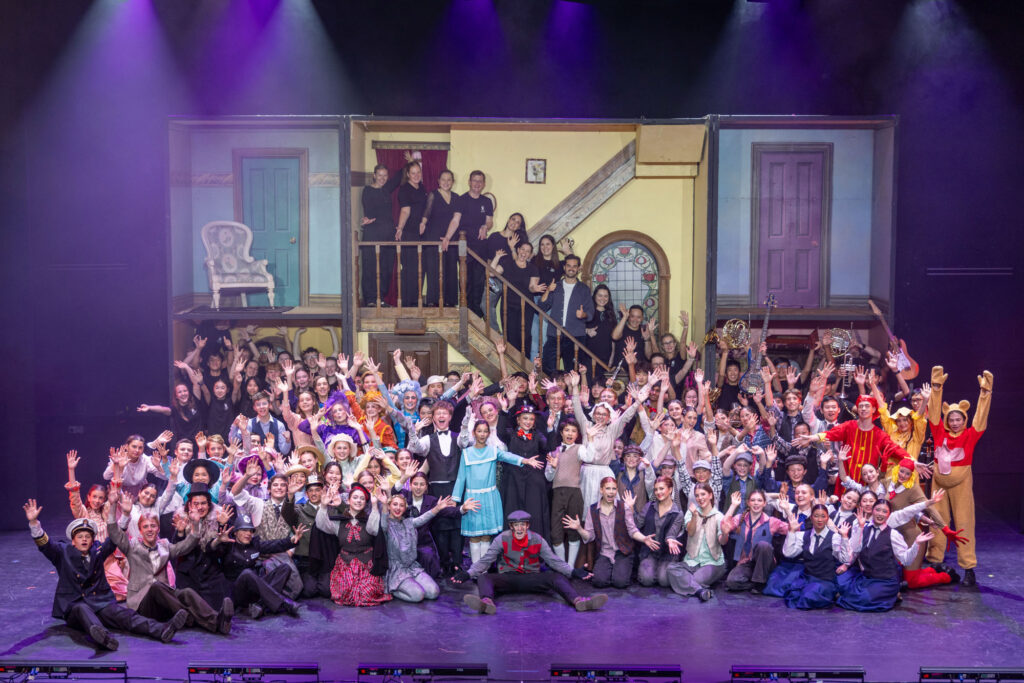
In Term 1, students from Middle School and Senior College took to the stage in a spellbinding production of Mary Poppins: The Broadway Musical, delighting audiences across four unforgettable performances that turned the Concourse Theatre, Chatswood into Cherry Tree Lane and beyond.

This year’s musical was nothing short of spectacular, showcasing not only the timeless charm of P.L. Travers’ beloved characters but also the remarkable talents of our performers. From the moment the iconic notes of ‘Chim Chim Cher-ee’ filled the auditorium – parents, friends and teachers were transported into a world where magic is real.
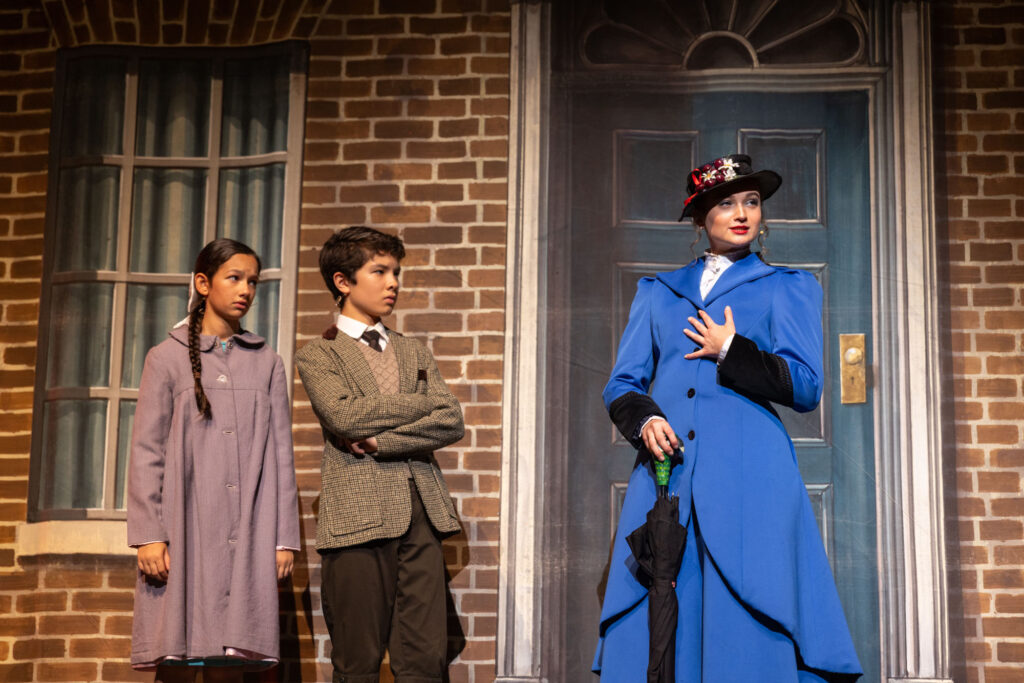
The production involved over 110 students, each bringing wholehearted enthusiasm to their roles. Whether summoning the stiff-upper-lip spirit of Mr Banks, capturing the quirky unpredictability of Mrs Corry or radiating the gentle but firm warmth of Mary Poppins, our cast poured months of hard work into every moment. 

From the professionalism of the students-only orchestra and the vocal clarity, dramatic expression and joyful energy of the cast, to the diligence and attention to detail of the student crew, the dedication of every student was evident.
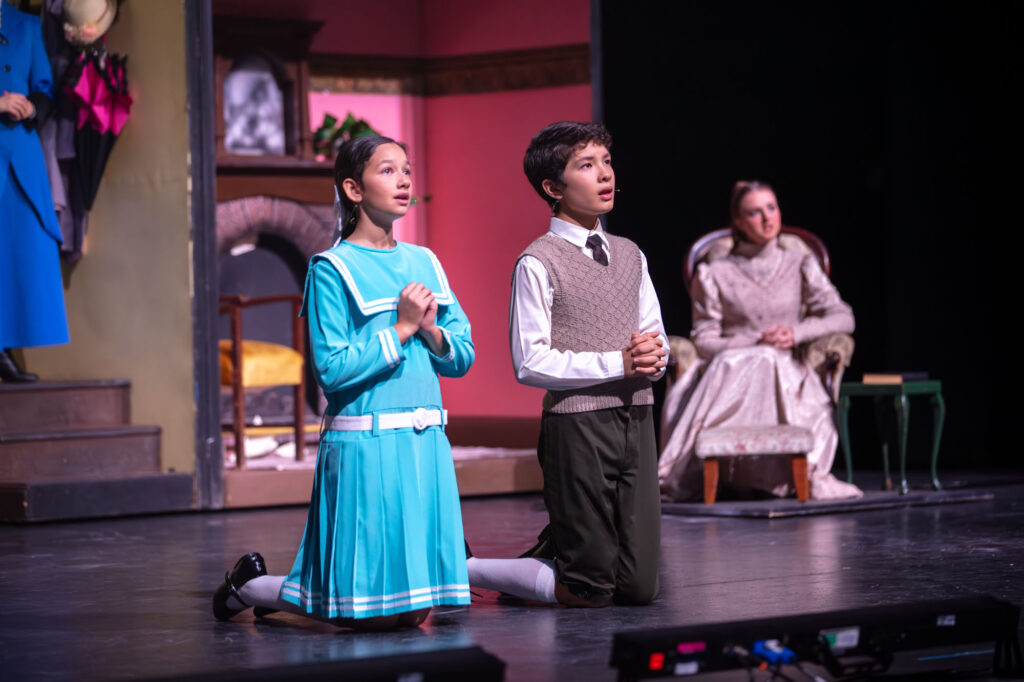
Ticketed performances were spread over three evenings and a Saturday matinee, allowing the whole community to share in the fun. The choreography sparkled with creativity, and the set – full of clever, yet practical, theatre tricks – brought the magic world of Mary Poppins to life before our eyes. 

“I was constantly amazed at how our students embraced every challenge.”

“I was constantly amazed at how our students embraced every challenge,” said Director of Performing Arts, Mr Ben Millis. 

“Learning how to project on stage, mastering ensemble work, and supporting one another through the many rehearsals required real resilience and collaboration.”

The generosity of our sponsors enabled the cast and crew to work with a professional-level lighting designer, a specialist rigger (essential for flying Mary and Bert) and a professionally built set – giving students insight into theatrical know-how and some of the tricks involved in set and prop design that create the magic of traditional theatre.
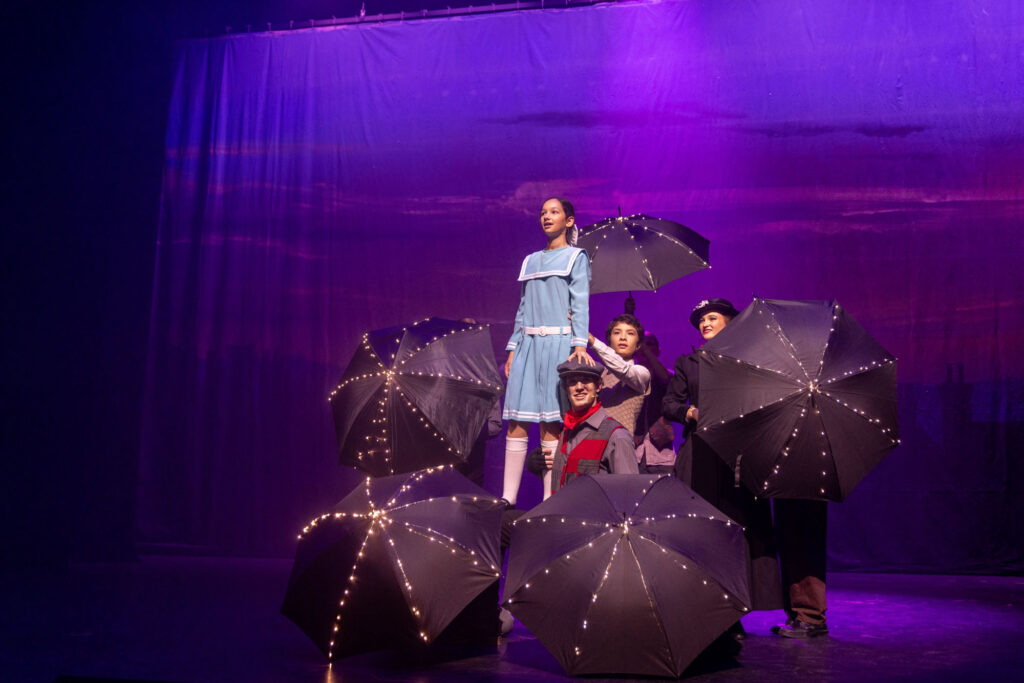
“I learned that even when something feels hard, like a big solo or tricky steps, through passion and determination, we are capable of more than we might think.”

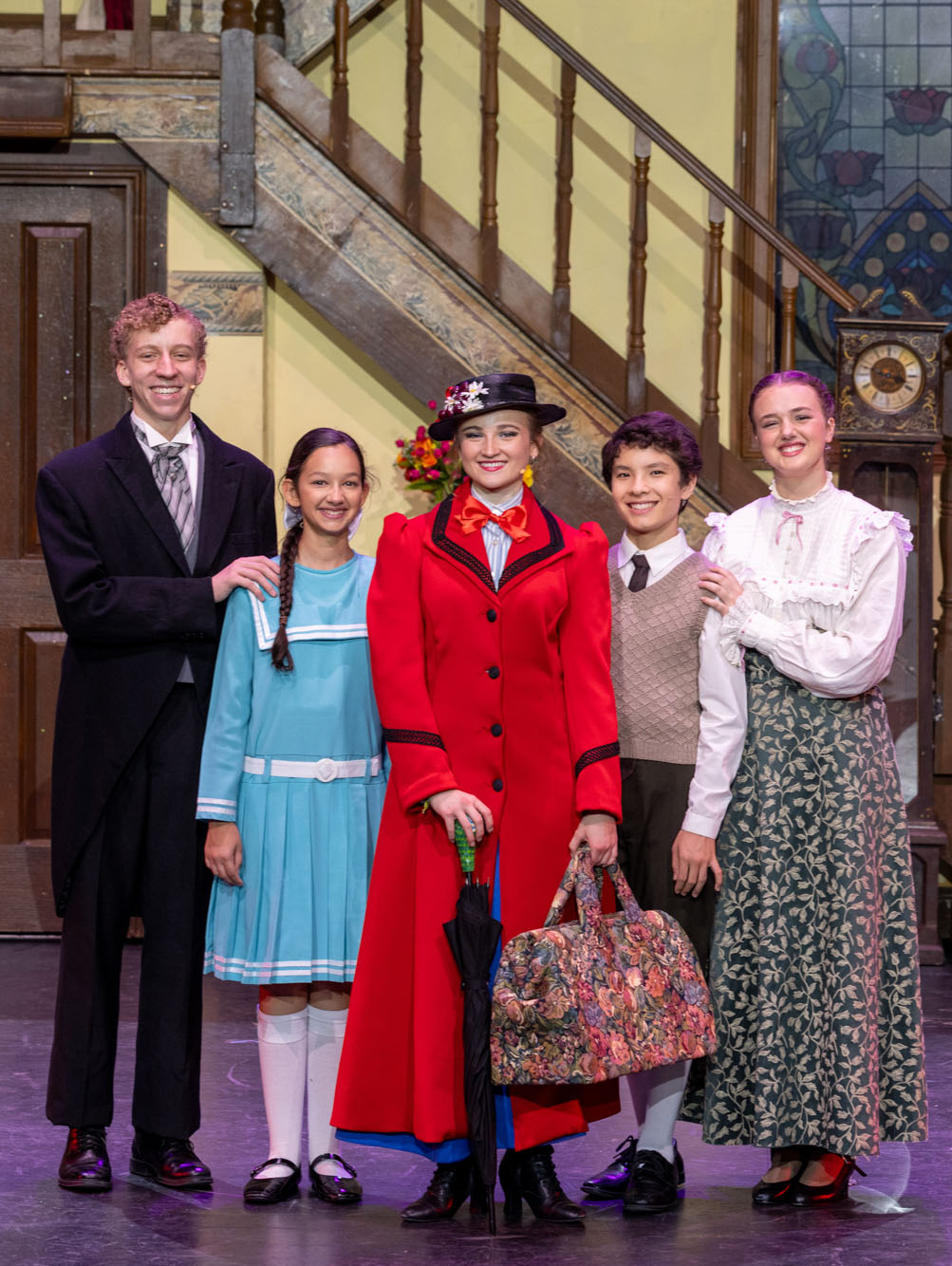
For many students, this was their first time performing in a major production, and while several of the leads had previous stage experience, this marked their first opportunity to take on principal roles. Miah Graves, who played Mary Poppins with poise and charm, shared how much she enjoyed exploring her character’s confidence and kindness.

“I learned that even when something feels hard, like a big solo or tricky steps, through passion and determination, we are capable of more than we might think,” she said.

The educational value of participating in a musical of this scale cannot be overstated. Students gained confidence, improved communication skills, developed persistence and grew together as a team – all while creating something beautiful and bringing the joy of theatre to the wider school community. 

As students breathed life into characters – with different personalities, perspectives and changing relationships – they explored character development within a narrative arc and experienced firsthand, the importance of their character’s background, motivation and context for convincing storytelling.
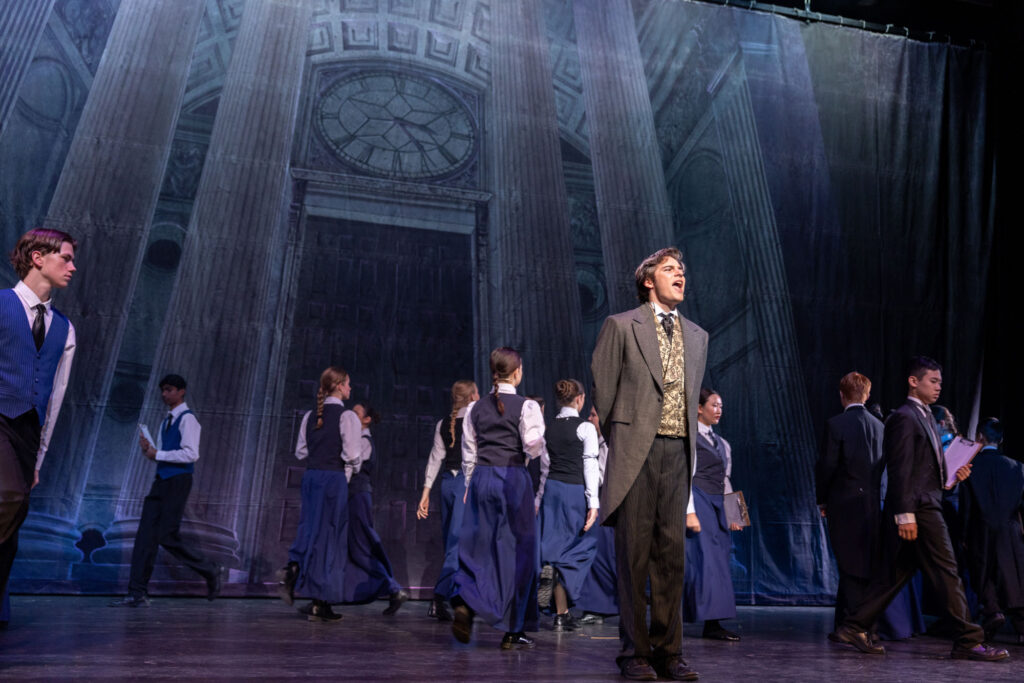
“Along the way they learned to trust each other, to help each other and to be stronger together. We are incredibly proud of them and impressed at their resilience, energy and creativity.”

Through the challenges and the successes, all the way to the final curtain, the Producer, Mrs Emma Newling, reflected that being part of the musical gave the students the opportunity to collaborate with one another and with staff on a complex and challenging project. 

“Along the way they learned to trust each other, to help each other and to be stronger together. We are incredibly proud of them and impressed at their resilience, energy and creativity,” she said.

From the hushed anticipation as the curtain rose on Bert, to the joy of Let’s Go Fly a Kite, it was clear that not only was the 2026 musical a huge success, it also touched our hearts. 

Bravo to our incredible cast, crew, teachers and volunteers! 
From television to chaplaincy: Rev Michael Bennett’s path to School Chaplain

From television to chaplaincy: Rev Michael Bennett’s path to School Chaplain

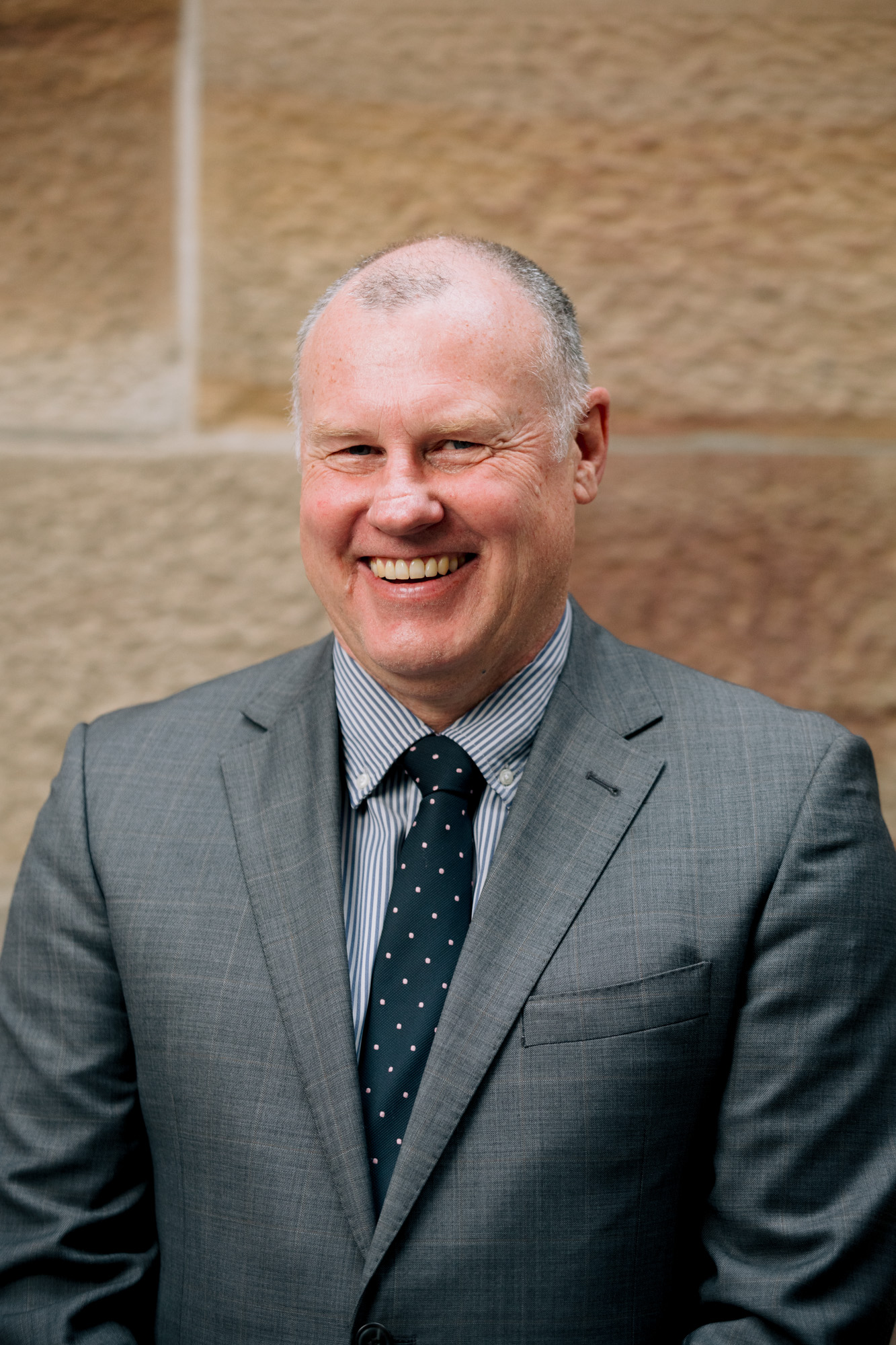
Rev Michael Bennett has traded television studios for classrooms and chapels.  

After a 20-year career producing Christian television content, St Andrew’s Cathedral School new School Chaplain, Rev Michael Bennett, felt called to a more personal expression of ministry. Michael says he went from broadcasting the gospel through the mainstream media to narrowcasting it through chaplaincy.

For more than a decade, he has served in teaching and chaplaincy, a path he says was shaped in no small part by the influence of the School.

“The School has generously given me opportunities to learn, grow and contribute. It is incredibly special to serve as the School Chaplain, knowing that the School is committed to lifelong learning and Christian development.”

In his new role, Michael works closely with Sam Bailey, Head of Christian Development, to support the curriculum and broader Christian life of the School.

Michael leads chaplaincy across the School, working alongside Assistant Chaplains Julie McIntosh, Matt Nobel and Chrissie Wu. Together, they support students, staff, families and alumni in exploring faith more deeply, whether in the classroom, the chapel or everyday School life.

Tell us about your previous roles before St Andrew’s.

For nearly 20 years, I worked in television and communication, producing Christian programmes for Channels 7, 9 and 10 with Anglican Media Sydney. For a few years, I also interviewed veterans for the Australians at War Film Archive. I then moved to Wesley Mission where I oversaw their television, online and print communication.

When I moved into chaplaincy and education, I worked at several schools including Newington College, St Andrew’s Cathedral School, St Peter’s Cambridge (New Zealand) and Scots All Saints College (Bathurst). I returned to St Andrew’s in 2023 to oversee a major brand project in the Marketing Department.

How did you come to join St Andrew’s Cathedral School?

In 2015, I joined the School as an intern teacher and completed my teaching accreditation. For the next two years, I worked as a casual teacher in the Christian Development Department. I then moved to New Zealand to become School Chaplain at St Peter’s.

When I returned to Australia in 2023, I reconnected with St Andrew’s to work on a major brand project. More than 200 talented staff and students contributed to a series of videos that captured the essence of the School and its breadth of opportunity. It was a great privilege to be involved.

Soon after, an opportunity arose to return to the Christian Development Department as a teacher and Staff Chaplain.

What do you enjoy about working at St Andrew’s Cathedral School?

I love the School’s desire to communicate the love of Jesus Christ to both students and staff. Prayer is central to the life of the School, and I have found the St Andrew’s Cathedral School to be a place where I have felt both known and encouraged.

What are some highlights from your time at the School?

I’ve enjoyed teaching Year 11 Ethics, using game theory and practical scenarios to help students think deeply about how they make decisions. Those classes often lead to honest and thoughtful conversations.

Another highlight has been working with gifted and committed colleagues in Christian Development and Chaplaincy: Sam, Julie, Matt, Chrissie and Lucy. They have taught me a great deal by sharing different approaches to ministry. I am blessed to be able to work with them.

What do you hope to achieve in this new role?

I hope to grow in my own faith and to be encouraged and challenged by colleagues, staff, students and friends. I hope to share life with students and staff and to help them encounter the love of Jesus Christ in meaningful ways.

For Christian students, my prayer is that they go deeper into Scripture and grow in their relationship with Jesus. For those who are curious, my prayer is that chaplaincy provides a safe and thoughtful space to ask questions and explore faith. For those who feel unsure or resistant, my prayer is that they might be open to considering the gospel and what life with Jesus could look like.

At its heart, I hope chaplaincy helps people feel known, loved, challenged and invited into a relationship with Jesus Christ.

What does life look like outside of School?

My wife and I live on the Northern Beaches with our three children – two at university and one in Secondary School. Living near the water is a great gift. At the end of a workday, especially in summer, I often catch the ferry, walk the 7km home, and finish with a swim.

We attend Frenchs Forest Anglican Church, and I am incredibly grateful for our church community and minister, Rev Dave Lanham.

I also have a strong interest in military history. I completed a Master’s in War Studies and have produced several military television documentaries, including a documentary on evangelistic work at Gallipoli (1915), another on the conversion of the Japanese pilot who led the attack on Pearl Harbour (1941), and a small series on Great Battles of the Bible.

I remain fascinated by how God works in people’s lives, even amid conflict and uncertainty.

St Andrew’s girls discover how leadership can change the game

St Andrew’s girls discover how leadership can change the game

St Andrew’s girls discover how leadership can change the game

To help shape the future of sport at St Andrew’s Cathedral School, the School has established two student-led committees; a Sports Committee and a Girls Sport Sub-Committee.

The Girls Sport Sub-Committee aims to strengthen the sporting experience for girls at St Andrew’s while creating leadership opportunities on and off the field. As Australia enters a period of significant sporting growth in the lead-up to Brisbane 2032, the committee is helping the girls develop the skills and confidence to become future leaders in the industry.

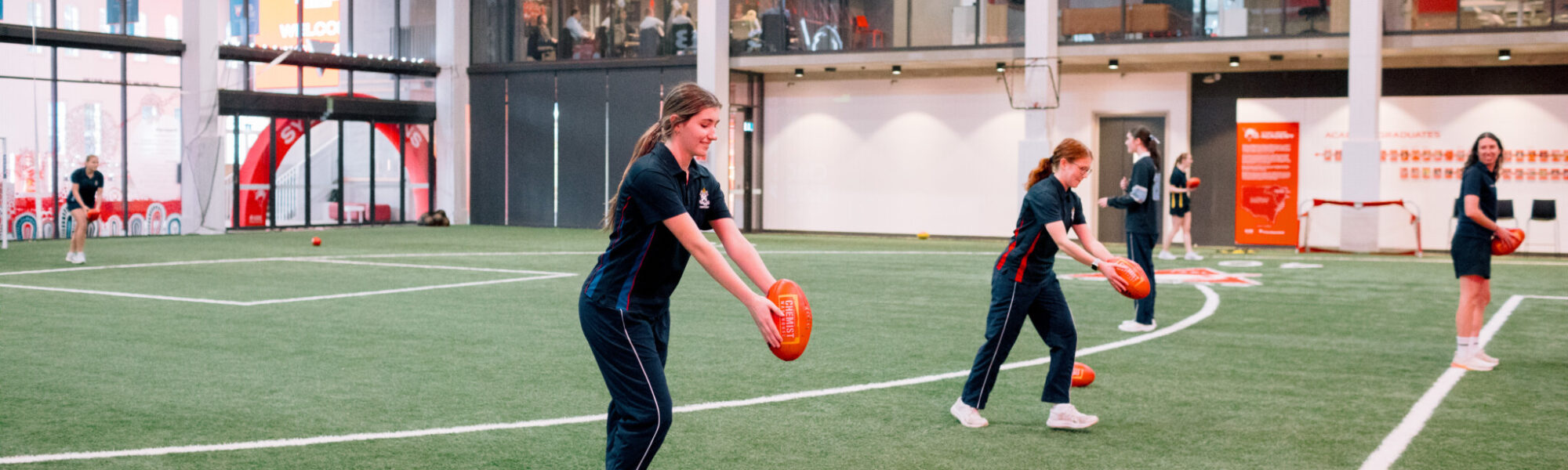
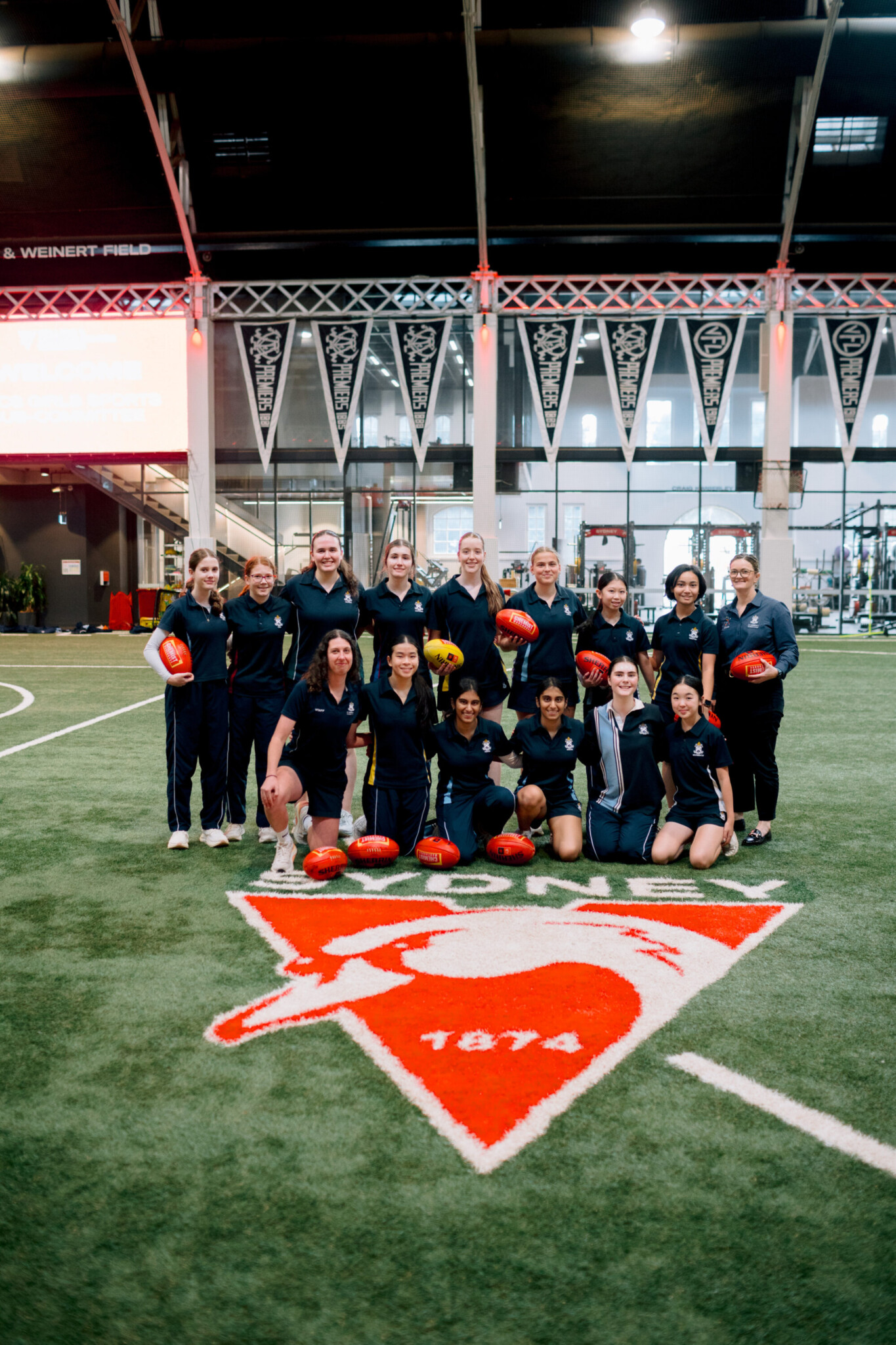
Recently, the committee spent a day at the Sydney Swans HQ where the students worked alongside key Swans leadership staff to learn how successful sporting organisations create a vision, build a culture and turn ideas into action. Through this experience, the students also gained insight into the many roles women can play in the wider sporting industry.

A highlight of the visit was hearing from Kate Mahony, Executive General Manager – AFLW, who shared insights from her leadership journey in elite sport. Her reflections challenged the students to consider what role they might play in creating the School’s sporting vision and culture.

Inspired by the day, committee members identified practical ways to increase participation, strengthen leadership opportunities and encourage more girls to engage in sport at St Andrew’s.

Speaking about the student-led sport committees, David Moore, Acting Director of Sport, said, “We are committed to providing students with opportunities to identify their gifts and talents, to develop them into strengths and to lead with purpose. We look forward to seeing the students’ ideas come to life and strengthen our sporting community.’’

Speaking about the day, Elle Smith, Senior Learning Coach, said, “As a school in the heart of the city, we have the sporting world on our doorstep. Connecting with Kate gave the girls the chance to explore how we can continue to strengthen sport at St Andrew’s. If we want our girls to become future leaders in sport, there is nothing more inspiring than learning from and working with women who are already leading the way.”

St Andrew’s thanks Kate Mahony and the Sydney Swans for generously hosting the day and helping inspire the next generation of female leaders in sport.

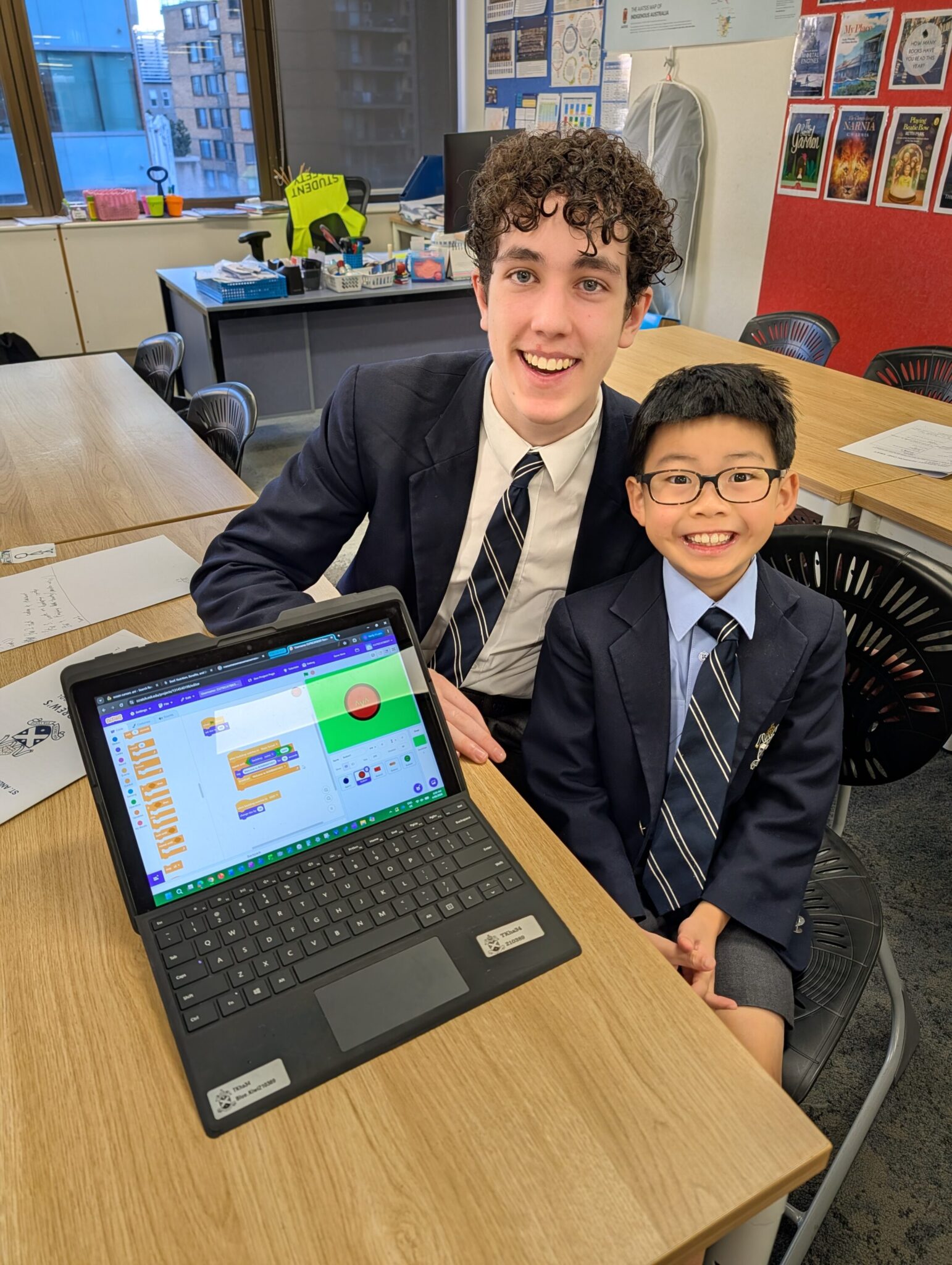
The visit left the girls excited to begin turning their ideas into action.

Emma Newling is leading with purpose in the Junior School

Emma Newling is leading with purpose in the Junior School

At the centre of Junior School life, Emma Newling is dedicated to creating an environment where every student feels supported, inspired and empowered to thrive.

Emma Newling enjoys that no two days are the same in the Junior School. It is part of what appeals to her about her new role as Deputy Head of Junior School. Emma began the role at the beginning of Term 1, taking over from Selwyn Wu who has moved into the newly created role of Deputy of School – Co‑curricular for Kindergarten to Year 12.

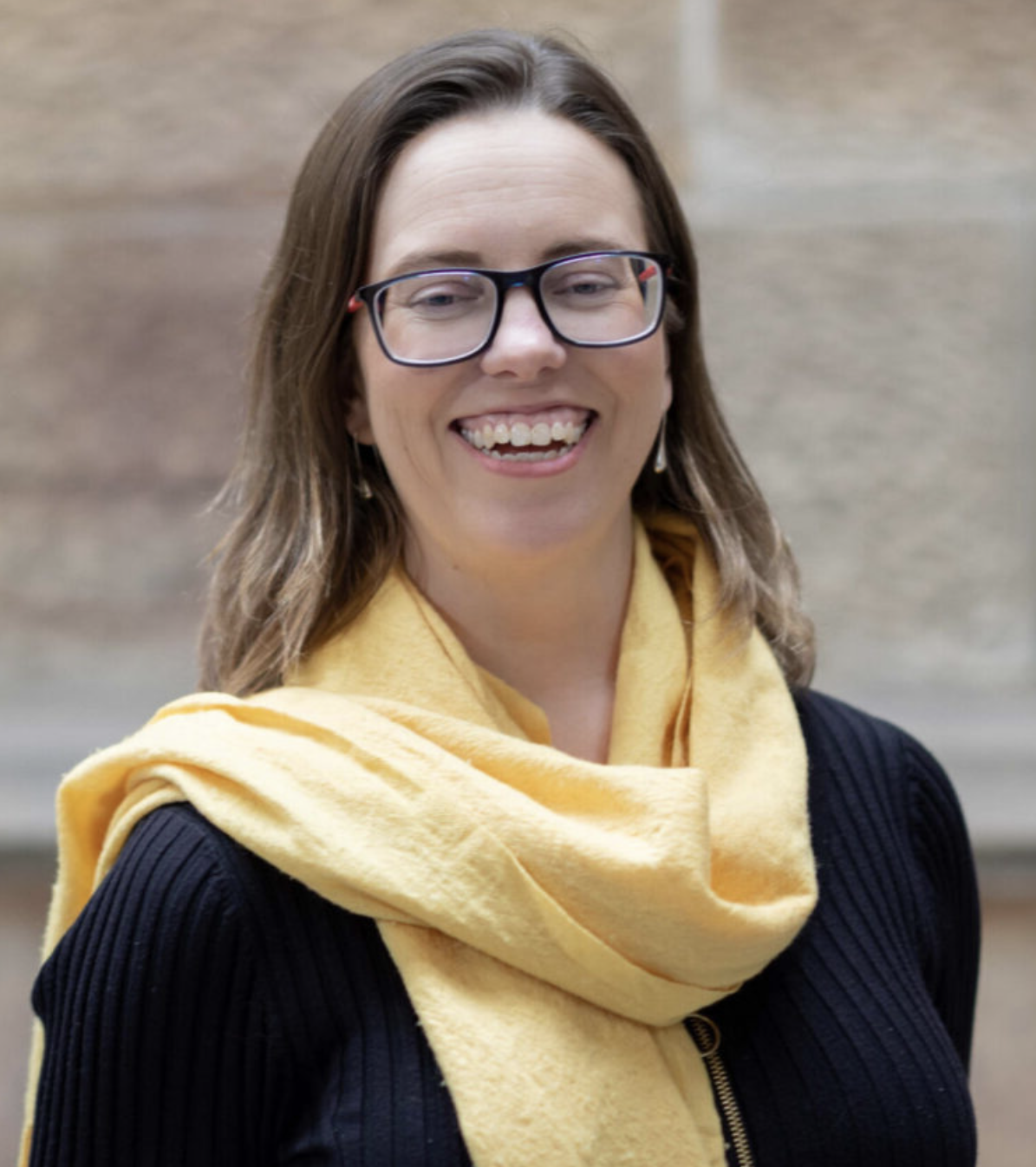
Emma describes Selwyn’s shoes as difficult to fill but she brings her own unique life experience and skills to the role. Emma is an ordained Deacon in the Anglican Church and for the past 10 years has served Junior School and Gawura School Chaplain. She is also a former St Andrew’s classroom teacher and has been involved in the production of four Junior School musicals.

As Deputy Head of Junior School, Emma has two broad areas of responsibility: managing Pastoral Care and Educational Administration. While these may seem distinct, they have a strong interrelationship and impact student wellbeing.

Emma will work closely with the Head of Character and Wellbeing, Mrs Bronwyn Wake, and the Head of Specialised Learning, Mrs Cathy Dangar and the classroom teachers to support each child’s academic, social and emotional development.

Educational Administration, the second part of Emma’s role, is important and necessary work, which helps to ensure the Junior School’s operations run smoothly.

“The Junior School is an exciting place with many wonderful things taking place often at the same time. Part of my role is to make sure things run smoothly for the whole School.”

“It’s about taking care of the finer details (managing the timetable and the School Calendar) for the benefit of everyone. The Junior School is an exciting place with many wonderful things taking place often at the same time. Part of my role is to make sure things run smoothly for the whole School,” said Emma.

Emma will continue working with a dedicated group of staff who explore what it means for St Andrew’s to be an authentically Christian school.

What do you enjoy about working at St Andrew’s Cathedral School?

The people – the students, the teaching faculty and professional and operational services team and the parents – everyone. I enjoy the warmth of my colleagues and students, working towards shared goals and the joy of being part of a team. Work can be positively challenging and enjoyable when your values align. This is something I am thankful for every day.

What were your previous roles before starting here?

After having children, I retrained as a teacher and joined St Andrew’s as a teacher in the Junior School. For the past 10 years, I have served as the Junior School and Gawura Chaplain.

What are some highlights from your time at the School so far?

As Junior School and Gawura School Chaplain, our Easter and Christmas Community Chapels are always a highlight.

I have also loved being involved in the production of four musicals in four years: Mary Poppins: The Broadway Musical (2026), Alice in Wonderland Jr. (2025), My Son Pinocchio Jr. (2023) and Madagascar Jr. (2022). The musicals are wonderful opportunities to see students grow and develop as the production takes shape.

A student’s ‘aha’ moment is always special.

But it’s perhaps the quiet and gentle moments shared with students and the St Andrew’s community which have had an enduring impact on me; moments when a burden shared is genuinely a burden halved; conversations in the Chaplaincy staff room that push me to think deeper, to question more clearly, or to change my attitude; and, conversations with generous colleagues who are committed to serving others.

What do you hope to achieve in this new role? 

My goal is to conduct this role with care and consistency, building on the solid foundations already in place. I want to support and equip staff, while leading initiatives that contribute positively to student wellbeing and growth.

Students learn best in an environment that is calm, safe, predictable and challenging. A key focus of my role is to ensure we have the policies and approaches in place to support this type of environment.

What does life outside the School look like for you? 

My husband and I have three sons, all of whom have attended or are currently attending St Andrew’s.

One of the best things about being a mum is discovering the world through completely different sets of eyes. I never expected to talk about voice leading, economic policies, comedic drama, Formula One, apologetics, geo-politics, psychology, memes and so much more.

I also enjoy conversations over coffee, my faith, a brisk walk, a good laugh and finishing a project.

A strong start matters in Gawura School’s Kindergarten programme

A strong start matters in Gawura School’s Kindergarten programme

A strong start matters in Gawura School’s Kindergarten programme

A foundational first step that sets the tone for a lifelong love of learning and a path toward educational success. 

By Marcia Svendsen

A foundational first step that sets the tone for a lifelong love of learning and a path toward educational success. 

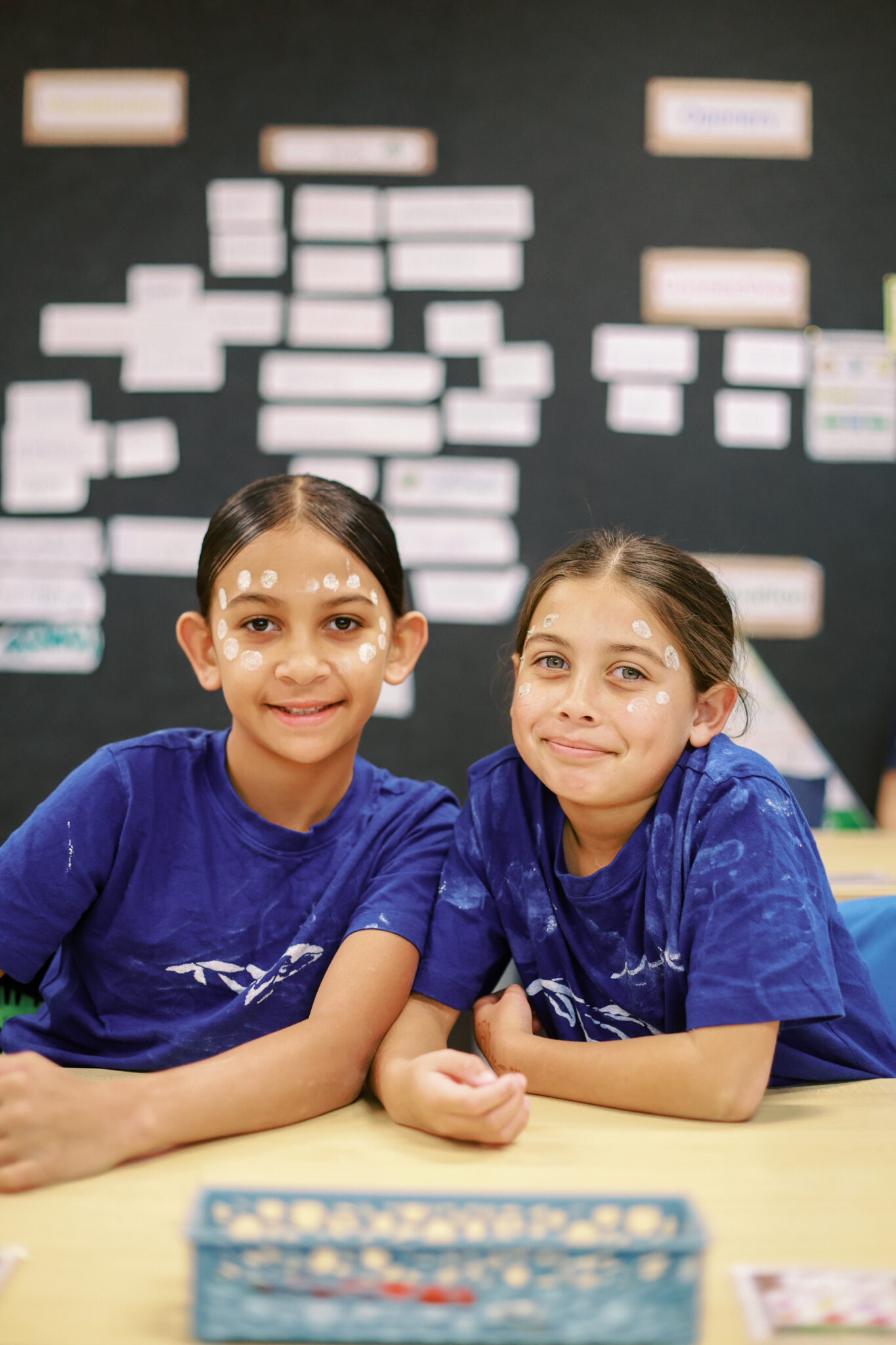
As a unique independent school in Sydney’s CBD serving First Nations children from Kindergarten to Year 6, Gawura School was established in 2007 in response to persistent disparities in educational outcomes between Indigenous and non-Indigenous students across Australia. The School exists to ‘close the gap’ in academic achievement while nurturing each child’s cultural identity and confidence. 

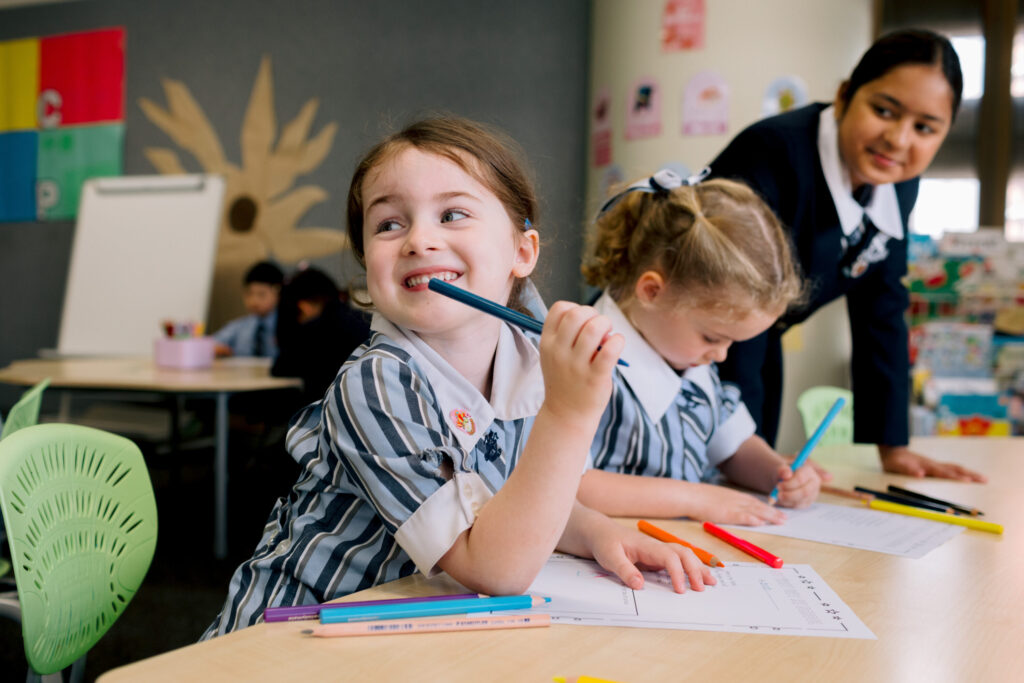
From the moment children begin their schooling journey in Kindergarten, Gawura School’s approach is intentional and personalised. Class sizes start small – often just five to six students in a class – so teachers can build deep relationships and tailor learning to each child’s needs. This individual attention is critical, particularly because many children enter school with learning levels below typical benchmarks – a reality reflected across many Indigenous communities due to systemic disadvantage in early years education. 

“Gawura School has a simple, yet powerful formula; the delivery of an explicit data driven curriculum practice, high expectations – with attendance being paramount; all delivered in a culturally supportive and enriching environment.”

“Gawura School has a simple, yet powerful formula; the delivery of an explicit data driven curriculum practice, high expectations – with attendance being paramount; all delivered in a culturally supportive and enriching environment,” said Head of Gawura School, Mr John Ralph.

In the Kindergarten classroom, children engage in explicit literacy and numeracy instruction that is both challenging and culturally respectful. The School’s curriculum weaves together the NSW educational standards with Indigenous perspectives, so students develop academic skills alongside a strong sense of identity and belonging. This culturally responsive practice is grounded in evidence showing that Indigenous students thrive when culture and community are integral to the learning process. 

Addressing the education gap

The broader context for this work is the well-documented education gap affecting Aboriginal and Torres Strait Islander students in Australia. On average, Indigenous students have historically performed below their non-Indigenous peers in key measures of schooling achievement, including NAPLAN results, attendance and Year 12 completion rates. Schools like Gawura seek to disrupt this cycle through early intervention and a holistic model that supports learning and wellbeing from the first year of school onwards. 

While national averages continue to reflect inequity in standardised testing, Gawura’s results are a notable positive example. Historically, Gawura students’ NAPLAN results have been above the national Indigenous average and often above the national average overall, which is especially remarkable given early levels of disadvantage. These outcomes demonstrate the impact of high expectations, targeted instruction and cultural engagement. 

Cultural inclusion

Right at the heart of Gawura School is a profound and fundamental respect and recognition of First Nations culture. 

“Our students are proud of their First Nations’ heritage and the students take great joy in every cultural performance.” 

“The Gawura School classroom programmes are systemic and intensive, with an emphasis on literacy and numeracy. They emphasise First Nations’ identity and cultural understandings. Our students are proud of their First Nations’ heritage and the students take great joy in every cultural performance,” said John.

Therapies and additional supports

Gawura’s Kindergarten programme does more than deliver strong academic instruction – it also provides a suite of additional therapies and supports designed to address barriers that many young learners face. Through the School’s Specialised Learning team, students access evidence-based interventions like PRELIT, MiniLit, and MultiLit literacy programmes, alongside personalised learning plans that track progress and respond to individual needs. 

Critical to this work is the availability of speech therapy, occupational therapy, counselling, and access to child psychologists for students who need them. These services – funded through donor support – help children overcome specific learning challenges, develop communication skills and engage more fully in classroom learning. 

In addition, Gawura School supports student wellbeing with regular optical, dental and hearing assessments, recognising that health plays a key role in children’s ability to learn effectively. Counsellors and specialist staff contribute to a safe, nurturing school environment where children’s emotional and social development is prioritised alongside academic growth. 

Parents and carers are partners in this journey. Through collaborative planning, parent workshops, and the Gawura Parents Advisory Committee (GPAC), families help shape their children’s learning experiences from the very start. This partnership amplifies the impact of Gawura’s Kindergarten program and reinforces the importance of education beyond the classroom. 

Looking ahead

For young children at Gawura School, Kindergarten is more than a school year – it is the beginning of a journey grounded in pride, resilience and academic confidence. By combining strong early learning foundations with cultural enrichment and personalised support, Gawura School continues to challenge the narrative of disadvantage and open doors to future opportunities for its students – from secondary education scholarships to pathways into higher study and careers.

Project Catalyst: connecting potential across generations 

Project Catalyst: connecting potential across generations 

Project Catalyst: connecting potential across generations 

Some of the most meaningful learning experiences happen not in a classroom, but through relationships.  

By Marcia Svendsen

Some of the most meaningful learning experiences happen not in a classroom, but through relationships.  

At St Andrew’s Cathedral School, one such relationship-driven initiative has quietly transformed the educational journey of gifted students for several years. Known as Project Catalyst, the programme was created to connect younger and older students through mentoring, fostering growth, leadership and a stronger sense of belonging across the School. 

Project Catalyst was developed between 2018 and 2021 during Ms Lucy Birts’s time as Junior School Gifted Coordinator. Recognising the powerful role mentoring can play in gifted education, Lucy and her Secondary School counterpart Ms Estee Stephenson worked together to design a programme that would support students academically, socially and emotionally.  

“Research consistently highlights the benefits of mentoring for gifted learners, not only by nurturing younger students’ talents but also by providing older students with valuable leadership and service opportunities.”

“Research consistently highlights the benefits of mentoring for gifted learners, not only by nurturing younger students’ talents but also by providing older students with valuable leadership and service opportunities,” said Ms Estee Stephenson, Director of Learning (Academic Progress). 

From its inception, Project Catalyst was guided by a broader vision: strengthening the connection between the Junior and Secondary Schools. The programme aligned naturally with the School’s commitment to service – creating opportunities for students to support one another while pursuing their passions and interests. 

The structure is simple but powerful. Junior School students are paired with Secondary School mentors who share similar interests or talents. Meeting weekly on Thursday mornings before school, mentor and mentee begin by getting to know one another and setting goals for their time together. From there, every partnership follows its own unique path. 

Some projects have involved science experiments and demonstrations, with specialist learning spaces opened to support hands-on exploration. In previous years, students have aligned their mentoring goals with external competitions such as the The Australian Museum – School Science Eureka Prize. This year, each pair has developed its own vision and objectives, allowing the mentoring relationship to evolve organically around shared interests. 

While logistical aspects of the programme have changed over time, its purpose has remained remarkably consistent. Project Catalyst continues to build meaningful connections between gifted students across year groups, encouraging younger learners while empowering older students to serve as role models. 

“I chose to become a mentor because I wanted to help my mentee feel excited about starting High School and encourage her to continue pursuing her passions.”

“I chose to become a mentor because I wanted to help my mentee feel excited about starting High School and encourage her to continue pursuing her passions – it has very rewarding to see her curiosity and enthusiasm for learning,” said Maddy, Year 11 student 

The impact reaches far beyond academic achievement. For younger students, having a mentor provides encouragement, guidance and a relatable example of what their future at St Andrew’s Cathedral School might look like.  

“Seeing a mentor perform in the School musical, compete in a sporting event or simply walk through the corridors helps bring that future into focus. These moments foster confidence, excitement and a genuine sense of belonging.” 

“Seeing a mentor perform in the School musical, compete in a sporting event or simply walk through the corridors helps bring that future into focus. These moments foster confidence, excitement and a genuine sense of belonging,” said Ms Rebecca Radloff, Gifted and Talented Coordinator for Junior School and Gawura School. 

For mentors, the benefits are equally significant. Through the programme, students develop communication skills, empathy, responsibility, leadership and self-reflection. Their participation also complements the service and reflection components of both the IB Middle Years Programme and Diploma Programme, supporting the development of essential Approaches to Learning skills. 

“I decided to become a mentor because I enjoy sharing my knowledge and experiences with younger students and helping them feel more connected within the School community.”

“I decided to become a mentor because I enjoy sharing my knowledge and experiences with younger students and helping them feel more connected within the School community. When I was younger, I appreciated having older students who were approachable and willing to help, so I wanted to provide that same support for someone else,” said Innis, Year 11 student. 

The success of Project Catalyst can be measured by the large number of mentors who choose to return semester after semester. Their enthusiasm reflects the value of the relationships formed and the personal growth experienced by both participants. 

Today, the programme’s influence continues through the expanding Gifted Education Mentoring (GEM) initiative in the Secondary School.  

“Looking to the future, we’re exploring the opportunity to connect students with expert external mentors as part of the School’s commitment to Responsible Futuring.”

“Looking to the future, we’re exploring the opportunity to connect students with expert external mentors as part of the School’s commitment to Responsible Futuring, so watch this space,” said Ms Estee Stephenson, Director of Learning (Academic Progress). 

Whatever shape it takes in the years to come, Project Catalyst remains a powerful example of how students can inspire, support and learn from one another. 

At St Andrew’s Cathedral School, wellbeing is not an add-on to learning – it’s fundamental to it

At St Andrew’s Cathedral School, wellbeing is not an add-on to learning – it’s fundamental to it 

We recognise that students thrive academically, socially and spiritually when they feel safe, supported and connected. 

From Kindergarten through to Year 12, wellbeing is woven into everyday school life through strong pastoral care, professional psychological support, student leadership and purposeful initiatives that nurture the whole child.

Wellbeing is also deeply connected to the School’s Christian ethos, which emphasises compassion, dignity, service and care for others. Chapel services, reflective practices and values-based conversations encourage students to consider their purpose and responsibilities within the wider community. This spiritual dimension supports students in developing empathy, perspective and a strong moral compass.

“At St Andrew’s Cathedral School, wellbeing isn’t an add-on to education—it’s the foundation that allows every student to learn with confidence, grow with resilience, and thrive with purpose.”

“At St Andrew’s Cathedral School, wellbeing isn’t an add-on to education—it’s the foundation that allows every student to learn with confidence, grow with resilience, and thrive with purpose,” said Mrs Bronwyn Wake, Head of Character and Wellbeing (K‑12).

A pastoral care framework

Central to the School’s wellbeing framework is its pastoral care structure, which provides students with consistent guidance and trusted adults throughout their schooling. 

In Secondary School, each student belongs to a House and a pastoral group, creating smaller communities within the School where relationships can flourish. Pastoral tutors and Heads of House work closely with students, monitoring wellbeing, supporting personal growth and responding early to challenges. 

Within the Junior School this important pastoral care is provided by classroom teachers and grade leaders. This structure ensures that no student is unseen and that care is proactive rather than reactive.

Qualified school psychologists and counsellors

An important pillar of wellbeing at the School is the presence of qualified school psychologists and counsellors. These professionals provide confidential, evidence-based support to students experiencing anxiety, stress, social difficulties or other challenges. Psychologists work collaboratively with teachers, pastoral staff and families to support individual students and to develop broader wellbeing strategies. Their work includes individual counselling, group programmes, crisis support and preventative education, reinforcing the School’s commitment to mental health and emotional resilience.

Student representatives 

The School also places a strong emphasis on student voice and leadership in wellbeing, empowering students to shape a positive school culture. Student Representative Council (SRC) leaders, in both the Junior School and Secondary School, play an active role in advocating for their peers, promoting kindness and inclusion, and helping to design initiatives that respond to student needs. Through peer leadership, mentoring and awareness campaigns, students learn that wellbeing is a shared responsibility and that they can make a meaningful difference in their community.

Wellbeing initiatives and programmes 

A wide range of wellbeing initiatives and programmes support students at every stage of development. Age-appropriate programmes focus on Character Strengths, emotional management, attention and awareness, respectful relationships, coping and habits. Workshops and guest speakers complement classroom learning, while co-curricular activities – including sport, music, drama, and service opportunities – provide students with balance, belonging and opportunities for self-expression.

In recent years, the School has continued to expand and refine its wellbeing ventures, recognising the changing pressures faced by young people. Initiatives supporting transition points, such as entry into Middle School or Senior College, help students navigate change with confidence. Parent education sessions and resources strengthen the partnership between home and school, ensuring families are equipped to support their children’s wellbeing beyond the classroom.

Importantly, the School’s wellbeing approach is preventative as well as responsive. By fostering strong relationships, clear expectations, and a culture of care, the School creates an environment where students feel comfortable seeking help early. This culture reduces stigma around mental health and reinforces the message that asking for support is a sign of strength.

“Wellbeing shapes not only academic success but also character, compassion and the courage to flourish beyond the classroom.”

“Within the supportive community of St Andrew’s Cathedral School, wellbeing shapes not only academic success but also character, compassion and the courage to flourish beyond the classroom,” said Mrs Wake.

Ultimately, wellbeing at St Andrew’s Cathedral School is about helping students flourish. Through dedicated staff, professional support services, student leadership and intentional programmes, the School remains committed to nurturing resilient, confident young people who are well prepared for the challenges and opportunities of life beyond school.

Parents engage in powerful conversations on Disrupting the Manosphere  

Parents engage in powerful conversations on Disrupting the Manosphere 

Our workshop caused attendees to reflect on the cultural forces shaping young people’s understanding of identity, relationships and respect. 

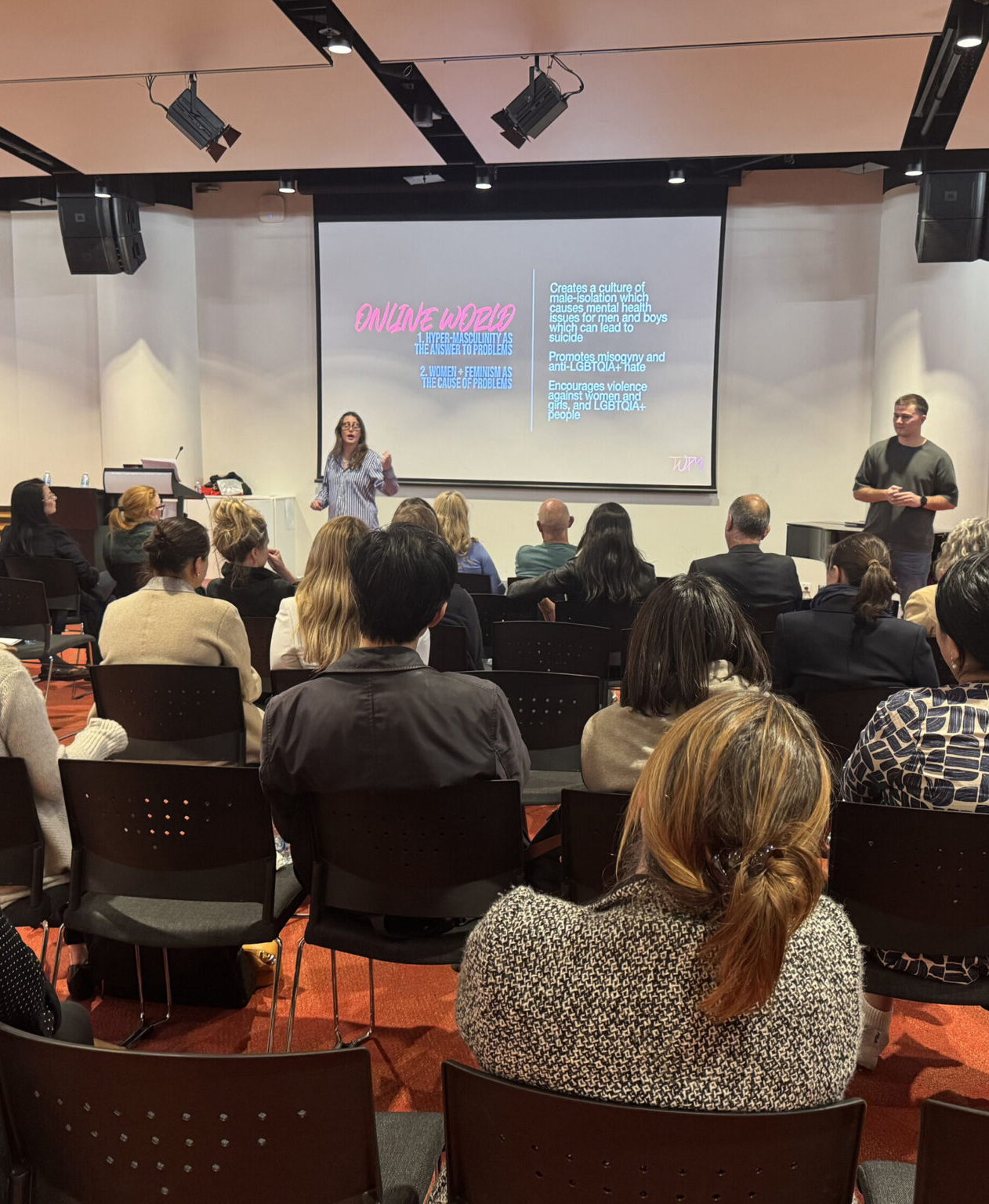
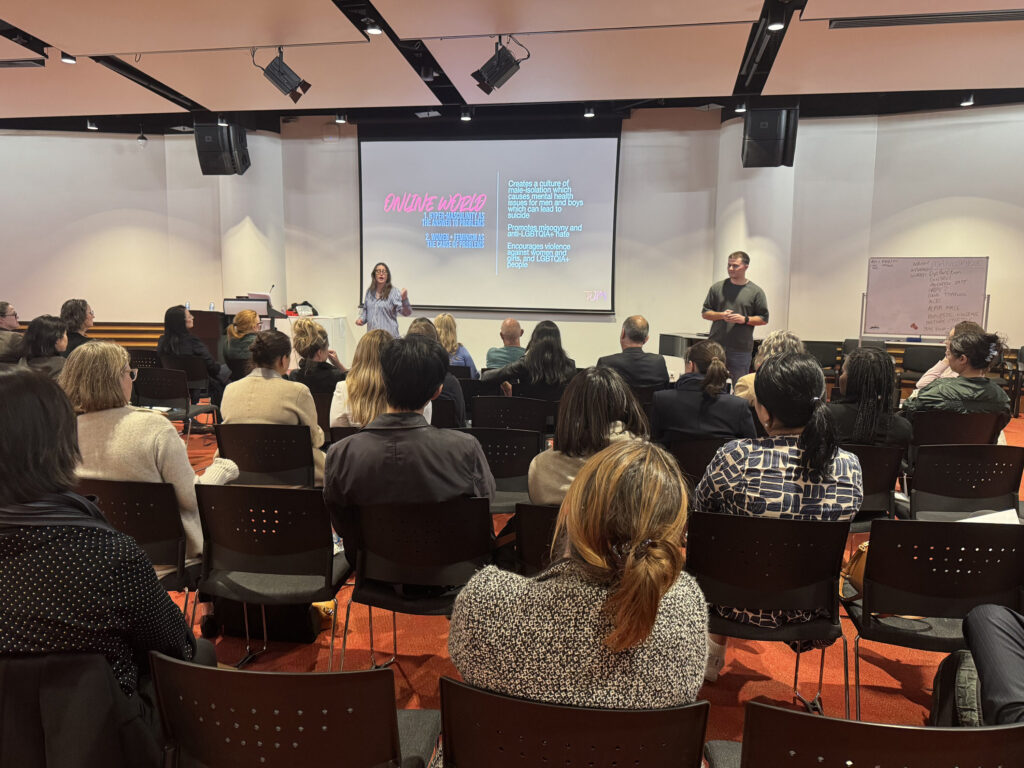
Last week, parents and caregivers gathered in the Bishop Barry Centre Auditorium for our highly anticipated parent workshop,  Disrupting the Manosphere, facilitated by our partners from Tomorrow Man and Tomorrow Woman. The event was exceptionally well attended, reflecting the strong interest across our community in understanding the challenges young people face in an increasingly complex digital world. 

The workshop explored the growing influence of the ‘manosphere’ – a network of online communities, influencers and content that often promotes narrow and sometimes harmful views of masculinity, relationships and gender.  

The evening was opened by Mrs Bronwyn Wake, Psychologist and Head of Character and Wellbeing. She set the tone by giving attendees an introduction to the meaning of ‘manosphere’. 

“At its core, the manosphere online influencers offer a narrow and limited version of manhood.”

“At its core, the manosphere online influencers offer a narrow and limited version of manhood. One that discourages emotional expression, measures the value of a person by their power and wealth, frames equality as a threat and places blame instead of fostering understanding,” she said. 

“These narratives can powerfully shape behaviours, relationships and the world young people are growing up in. Disrupting this narrative starts with offering something better – a more hopeful, richer, deeper vision for masculinity and for relationships between young men and women built on respect, empathy and equality.” 

Mrs Wake then handed over to Alex and Martin, from Tomorrow Man and Tomorrow Woman. Together they guided attendees through a balanced and thought-provoking evening of presentations and group work.  

Rather than focusing solely on risks, the session encouraged parents to consider the broader cultural forces influencing both young men and young women today. Through engaging discussion and practical examples, attendees were invited to reflect on how they can offer young people a richer, deeper vision of relationships and identity. 

The facilitators drew on current research and their extensive experience working with schools and communities across Australia to unpack the rise of gender-based stereotypes and online influences.  

“Participants explored topics including healthy masculinities, empathy and connection, behaviour change, and the importance of respectful relationships.”

“Participants explored topics including healthy masculinities, empathy and connection, behaviour change, and the importance of respectful relationships. These themes are important for parents and relevant to the discussion on the everyday experiences of their own children,” said Mr Brad Swibel, Deputy Head of School (Secondary). 

A key message throughout the evening was the importance of maintaining strong, trusting relationships with young people. Parents were encouraged to remain curious, engaged and open to conversation, creating spaces where children feel safe to discuss what they encounter online. Rather than responding with judgement or lectures, the presenters emphasised the value of listening, asking thoughtful questions and helping young people develop critical thinking skills. 

The workshop also highlighted practical strategies families can implement at home, including setting healthy boundaries around device use, encouraging positive role models and modelling respectful communication and relationships in everyday life. These simple but powerful actions can help equip young people to navigate online spaces with confidence, resilience and discernment. 

The evening generated meaningful discussion among attendees and provided valuable insights into a topic that is both culturally relevant and increasingly important for schools and families alike. As a community committed to supporting young people to become hope-filled individuals who positively shape the world around them, the workshop reinforced the vital role that parents, educators and mentors play in guiding the next generation. 

We extend our sincere thanks to the team from Tomorrow Man and Tomorrow Woman for delivering such an engaging and thought-provoking session. Their expertise, warmth and practical approach left attendees with a deeper understanding of the challenges facing young people today, as well as renewed confidence in their ability to support meaningful and positive change.  

Further information for parents will be included in our upcoming school newsletters.r, the European History Tour returned home – their footsteps echoing with the stories of those who came before. 

Stay connected with our schools

Stay connected with our schools

Discover what’s been happening and what’s coming up at St Andrew’s Cathedral School and Gawura School by visiting us online at the links below.

News

Discover what’s happening at the School by following our Facebook and Instagram pages.

Upcoming events

Find out what School activities and events you can get involved in by checking our events page.

Old Andreans Association

The OAA connects former students with the School and each other, by organising reunions and social gatherings. Follow our Instagram page for all the latest news.

Gawura news and events

Discover what’s happening in the life of our Kindergarten to Year 6 First Nations school and how you can get involved.